
August 31, 2026
How to Organize Your Travel Bag
Simple packing strategies to keep your travel bag organized, accessible, and ready for every trip.
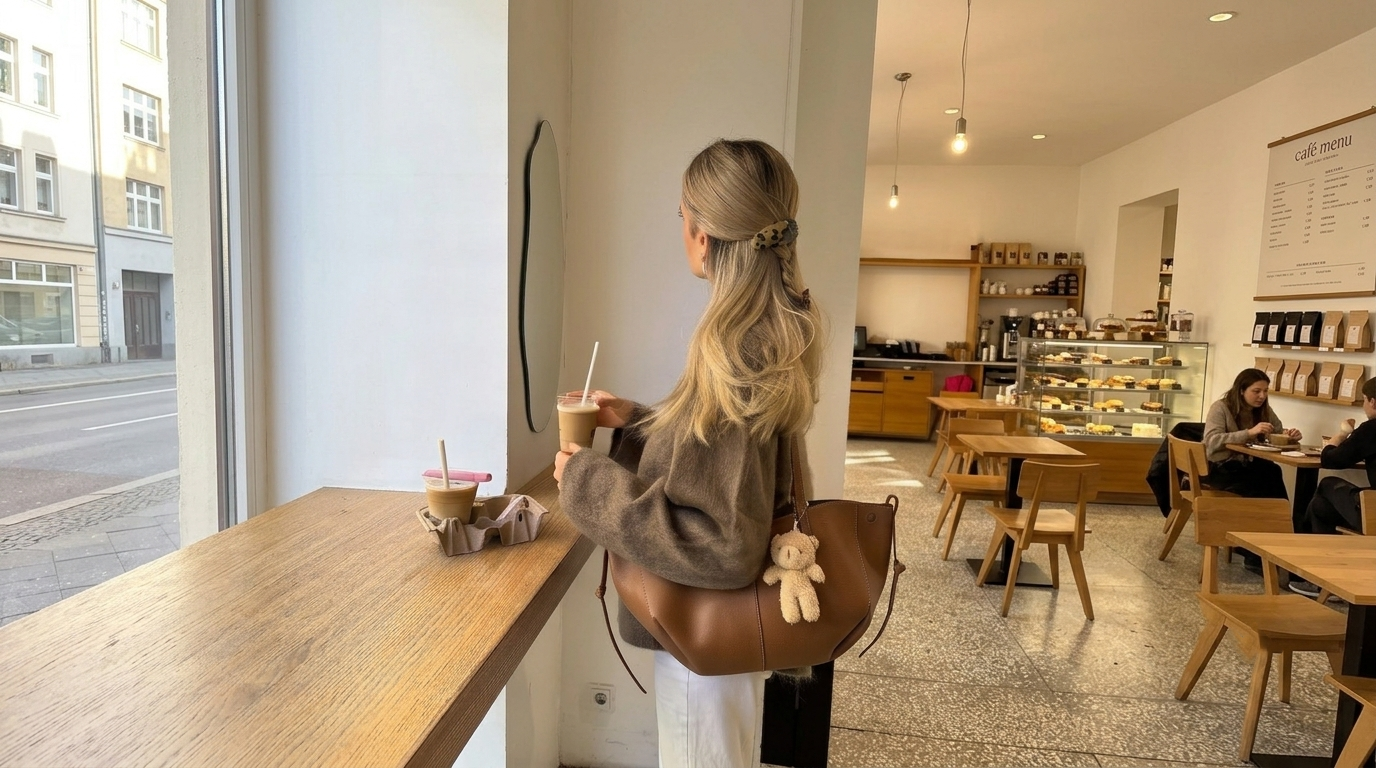
A well-organized travel bag can make every part of a journey easier. From choosing what to bring to arranging your essentials, a few simple packing habits can help you travel with less stress and more confidence.
Good Packing Starts Before You Pack
Packing is often treated as a simple task, but the way you prepare can have a major effect on how easy your trip feels. Throwing everything into a travel bag may seem faster at first, but it can make finding important items difficult once you are on the move.
A better approach is to think about your itinerary before deciding what belongs in your bag. Consider how long you will be away, what activities you have planned, and which items you will actually use.
This simple preparation helps you avoid overpacking while ensuring that the essentials remain easy to access.
Separate Your Travel Essentials
One of the easiest ways to improve organization is to separate your belongings according to how you use them. Instead of treating your bag as one large space, think of it as several smaller zones.
Clothing
Keep clothing together and organize it according to when you expect to wear each item. This makes it easier to find what you need without unpacking everything.
Accessories
Keep smaller accessories together so that items such as chargers, personal accessories, and other essentials do not disappear among larger belongings.
Daily Essentials
Items you may need frequently should remain accessible rather than being buried underneath everything else in your travel bag.
Build Your Packing Order
The order in which you place items inside your bag can be just as useful as the amount of space available. Start with items that you will not need until later, then keep frequently used belongings closer to the top or in easily accessible compartments.
Start With Larger Items
Place larger and less frequently used items toward the bottom or main section of your bag.
Add Smaller Essentials
Place smaller belongings into available spaces without creating unnecessary gaps or overfilling the bag.
Keep Important Items Accessible
Items you expect to use during transportation should remain easy to reach so you do not have to unpack the entire bag.
Avoid Packing More Than You Need
One of the most common travel mistakes is packing for every possible situation. While it is useful to prepare for your itinerary, bringing too many unnecessary items can make your bag heavier and harder to manage.
Before adding something to your bag, ask yourself whether you are likely to use it. If the answer is uncertain, consider whether there is a practical alternative already included in your packing list.
A simple rule: Pack for the trip you are taking, not every trip you might possibly take. Keeping your packing focused makes your travel bag easier to manage.
Keep Frequently Used Items Within Reach
Some belongings will naturally be used more often than others during a journey. Keeping those items accessible can save time and prevent the frustration of repeatedly searching through your bag.
Think about the moments when you are most likely to need something. Travel documents, personal essentials, charging accessories, and other frequently used items may be better positioned in an exterior pocket, upper compartment, or another easily reachable area.
The exact arrangement will depend on the design of your bag and the way you travel, but the principle is simple: items you need often should not be difficult to reach.
Adjust Your Bag to the Type of Trip
Not every journey requires the same packing strategy. A short weekend away will usually have different needs from a longer trip, business travel, or a day spent moving between several destinations.
For shorter trips, keeping your packing list focused can help you stay mobile. For longer journeys, organization becomes more important because you will likely be carrying a wider range of belongings.
- Weekend trips: Focus on versatile clothing and daily essentials.
- Longer journeys: Organize belongings into clear categories for easier access.
- Work travel: Keep documents, devices, and accessories easy to reach.
- Day trips: Carry only the essentials you expect to use throughout the day.
Choose the Bag That Fits Your Plans
Organization becomes easier when your bag matches the purpose of your journey. A backpack can be useful for hands-free movement and everyday travel, while a larger luggage travel bag may be more appropriate when you need additional capacity.
For lighter outings, a shoulder bag can keep your essentials close without requiring the space of a larger travel bag.
Rather than choosing a bag based only on its appearance, consider its capacity, carrying style, and how well it fits into your plans.
A Quick Packing Check
Before leaving home, take a final moment to review your bag. A short check can help you identify unnecessary items and make sure your most important belongings are ready.
- Remove items you are unlikely to use.
- Group similar belongings together.
- Keep frequently used items accessible.
- Check that your bag is comfortable to carry.
- Make sure important travel essentials are packed.
- Leave a little available space when possible.
Travel With Less Clutter
Smart packing is not about fitting as many belongings as possible into one bag. It is about choosing what you actually need and arranging those items in a way that makes your journey easier.
When your travel bag is organized, you spend less time searching for essentials and more time focusing on the experience ahead. A thoughtful packing routine can also help you make better use of the space you already have.
Whether you choose a Backpack Bag, Luggage Travel Bag, or Shoulder Bag, the goal remains the same: carry what matters, keep it organized, and move comfortably wherever your plans take you.